How many people fit on a school bus? Kids vs. adults
The number on the side of the bus assumes small kids. Here’s the real headcount for teens and adults.
It’s the most common question we get, and the answer is: it depends on who’s riding. A bus’s rated capacity assumes three small children on every bench. Put adults on those same benches and the real number is lower.
Rated capacity vs. real capacity
| Bus | Young kids (3 per bench) | Teens & adults (2 per bench) |
|---|---|---|
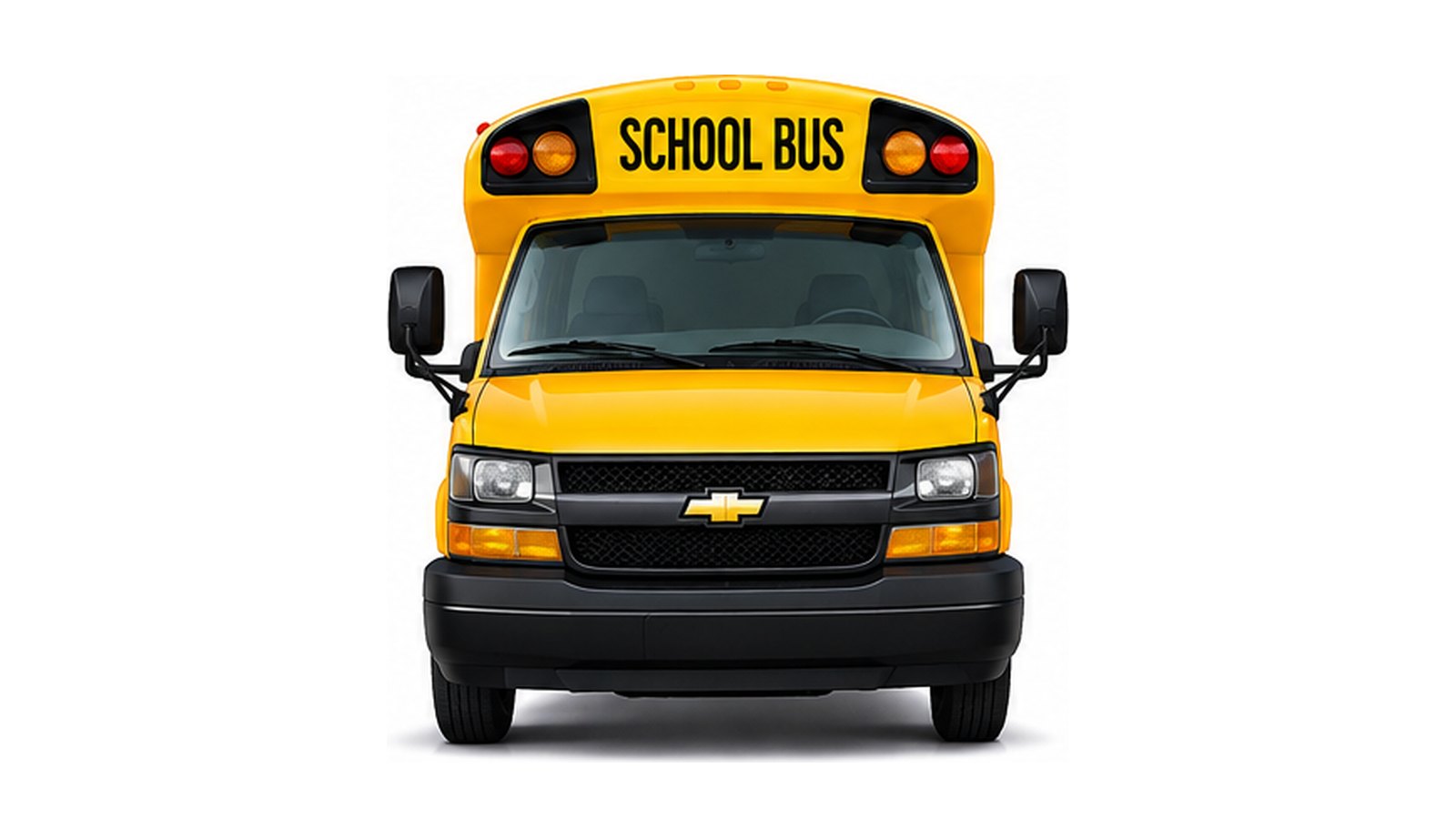
| Mini | 24 | about 16 |
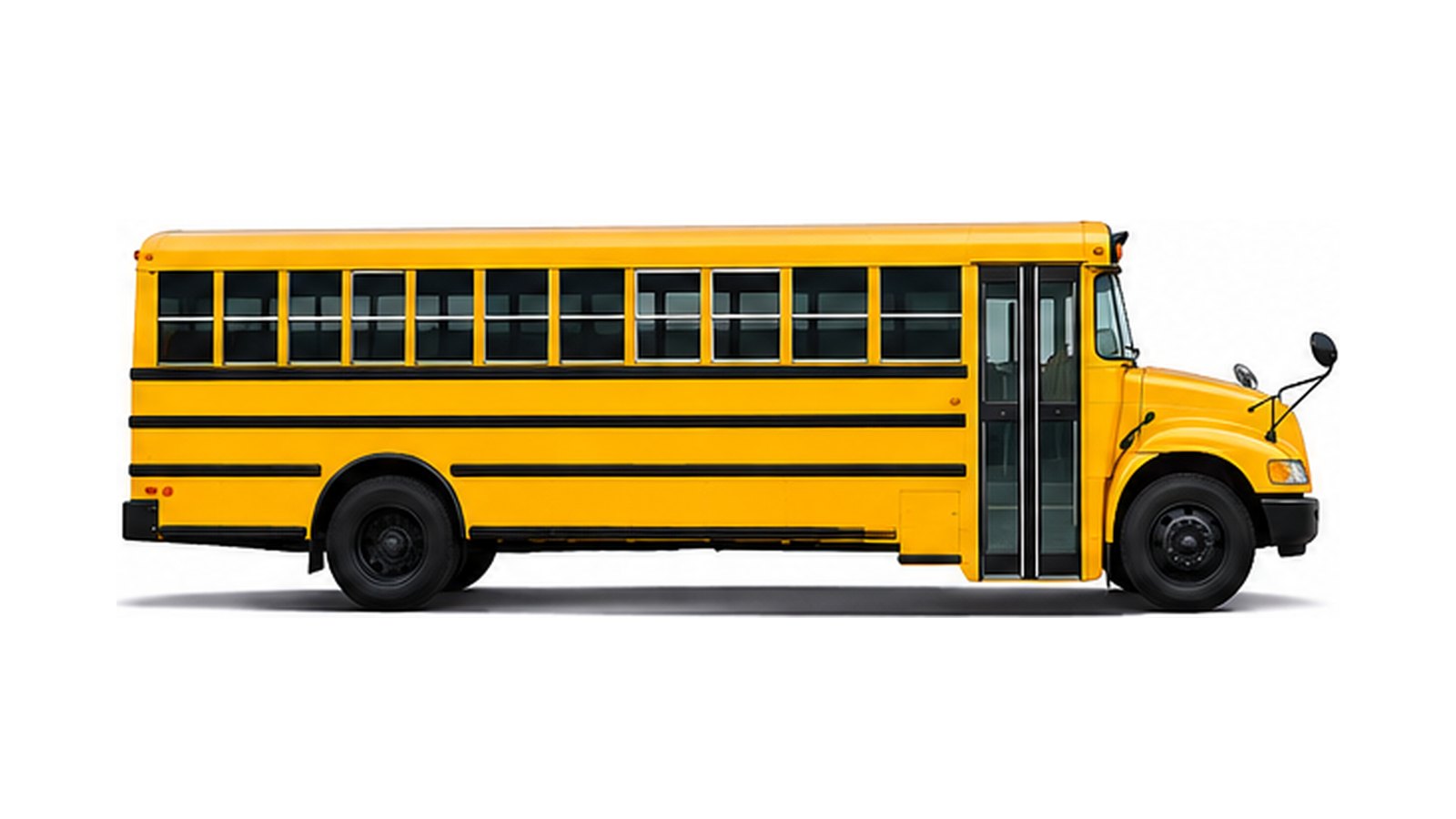
| Full-Size | 72 | about 48 |
Our standard bus seats 44 students. For adults, tell us your headcount and we’ll confirm the right fit, since bench layouts vary.
Why three to a bench doesn’t work for grown-ups
School bus benches are sized for elementary students. Two adults fill a bench, and three adults means someone half off the seat for the whole ride. For high schoolers, plan two per bench too; a varsity team with gear bags needs even more room.
Don’t forget the extras
- Chaperones and staff count as riders. Add teachers, coaches, parents and planners to your total.
- Bags and equipment take seats. School buses have no under-floor luggage bay, so luggage, coolers and gear ride inside.
- Wheelchair riders: tell us when you book so we can plan the right bus.
- A buffer: leave a few empty seats for last-minute additions.
A quick way to size your trip
- Count every rider, including adults on the trip.
- Split them into young kids and teens/adults.
- Divide kids by 3 and adults by 2 to get benches needed.
- Add benches for bags or equipment if you have them.
- Pick the smallest bus with that many benches to spare.
If the numbers land between two sizes, the bigger bus is usually the safer call. If they land well past one full-size bus, two buses keeps everyone comfortable.
Send us your headcount and a rough split of kids and adults. We’ll tell you exactly how many buses you need and quote it within 30 minutes.
Get a free quote →